

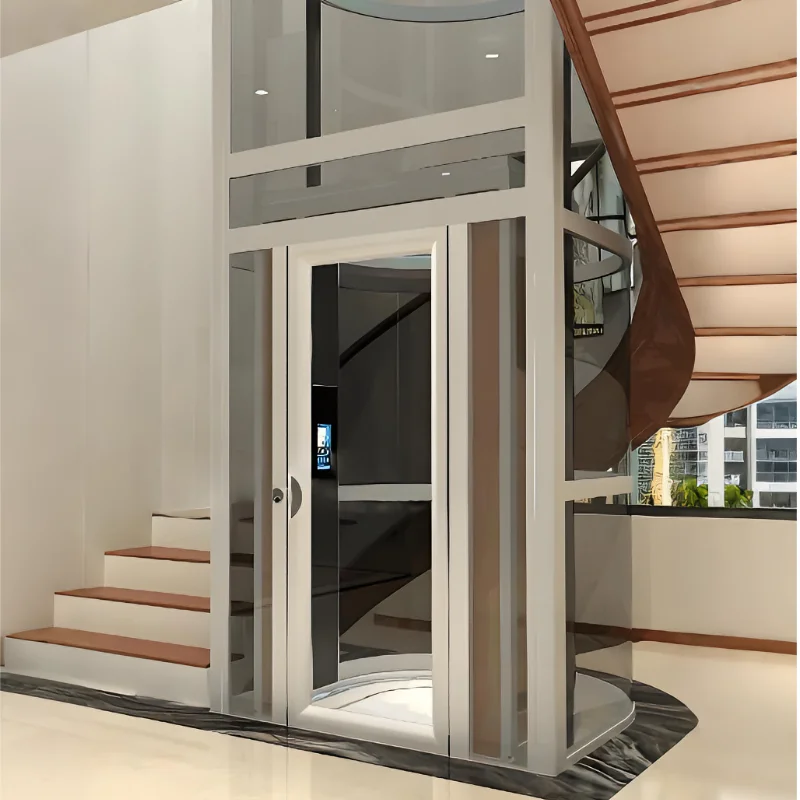
A luxury villa is more than a large residence. It is a lifestyle statement shaped by comfort, privacy, aesthetics, and long-term functionality. In this setting, a home elevator is no longer viewed as a simple mobility device. It has become an architectural feature, a premium convenience, and an important value-enhancing element for multi-level living. For homeowners, architects, interior designers, and villa developers, choosing the best home elevator designs for luxury villas means balancing performance, style, safety, and integration with the overall interior concept.
The modern home elevator for luxury villas is designed to do far more than move people between floors. It can improve accessibility for elderly family members, support future-proof living, reduce daily fatigue, and create a refined visual impression. In high-end properties, the elevator cabin, shaft, doors, lighting, and control systems are often customized to match the villa’s interior theme. Whether the goal is a minimalist glass elevator, a classic enclosed design, or a compact machine-room-less system, there are many options available in the luxury home elevator market.
This guide provides SEO-friendly, industry-focused content about best home elevator designs for luxury villas, including definitions, major design types, technical features, advantages, specification tables, planning factors, material options, and selection guidance. The content is written for blog pages, directory pages, service pages, and industry resource pages. It is general in nature, contains no company recommendations, and can be inserted directly into the middle of an HTML page.
A home elevator is a vertical transportation system installed inside a private residence to move people and, in some cases, light cargo between floors. In a luxury villa, the design emphasis is usually placed on elegance, quiet operation, compact construction, customization, and seamless architectural integration. Unlike commercial elevators, a Residential Elevator is generally designed for lower traffic, smaller group sizes, and a more intimate interior environment.
In luxury villas, the elevator often becomes part of the design language of the home. It may be placed in a central atrium, hidden within a wall enclosure, integrated into a staircase core, or showcased with panoramic glass panels. The best home elevator design for luxury villa projects should align with the home’s layout, interior style, and user needs while also meeting essential safety and building requirements.
There are many reasons why a villa owner may choose to install a home elevator. Some homeowners want to improve accessibility for aging parents or family members with limited mobility. Others want to future-proof the property so it remains comfortable over time. In large villas, especially those with multiple levels, rooftop areas, basements, or entertainment floors, an elevator can make movement easier and more efficient.
From a real estate perspective, a carefully designed luxury villa elevator can increase perceived property value and strengthen the premium character of the residence. It also improves the day-to-day experience of living in a spacious home, especially when carrying luggage, groceries, laundry, or household items between floors. In short, the best elevator design combines practicality with visual elegance.
| Key Benefit | Description | Impact in Luxury Villas |
|---|---|---|
| Accessibility | Improves vertical movement for all ages | Supports aging-in-place and universal design |
| Convenience | Reduces effort when moving between floors | Enhances daily comfort and efficiency |
| Design Value | Acts as an architectural and interior feature | Strengthens the luxury identity of the villa |
| Future-Proofing | Adapts the home for long-term use | Makes the property more practical over time |
| Property Appeal | Adds premium functionality | Can improve marketability and buyer interest |
The best home elevator designs for luxury villas usually fall into several common categories. Each design has distinct advantages depending on space, style, budget, and technical requirements. Below are the major types widely used in upscale residential projects.
A glass home elevator is one of the most visually striking solutions for luxury villas. Its transparent or semi-transparent walls create an open, modern appearance and allow the elevator to blend into spacious interiors with natural light. This design is especially effective in villas with atriums, panoramic staircases, or contemporary open-plan layouts.
Glass elevators are popular because they make the space feel larger and more refined. They can be circular, square, or customized in shape, depending on the architecture. Many homeowners choose this style for its clean, minimal, and premium look. For SEO and design purposes, the phrase glass home elevator for luxury villas is highly relevant to modern residential projects.
A panoramic home elevator is similar to a glass elevator but often emphasizes full or partial visibility from multiple angles. This style is ideal for luxury villas that want the elevator to function as a centerpiece rather than a hidden utility. Panoramic models are especially attractive in double-height foyers or entrance halls.
The main advantage of a panoramic design is its ability to combine motion, light, and architectural expression. It can feel like a moving sculpture inside the home. For villa owners who value high-end visual impact, this is often considered one of the best home elevator design options available.
A hidden home elevator is designed to blend into the villa’s interior so well that it becomes nearly invisible when not in use. This approach is favored in classic, traditional, or ultra-minimalist residences where the elevator should not disrupt the design flow. Concealed elevator doors can match wall panels, cabinetry, or decorative finishes.
This design is ideal for homeowners who prefer understated luxury. It preserves the elegance of the interior while still providing full vertical mobility. In many cases, a concealed luxury villa elevator improves the home’s visual harmony.
A machine-room-less home elevator is a space-saving solution that eliminates the need for a separate machine room. This makes it especially useful in villas with limited structural allowance or where the focus is on maximizing usable floor area. MRL systems are commonly selected for modern residential applications because they provide efficiency without requiring major overhead space.
In luxury villa projects, the MRL concept is often paired with refined interior finishes and smart controls. It is a practical choice for homeowners who want premium performance with a cleaner building layout.
A hydraulic home elevator uses fluid-based lifting technology and is known for smooth movement and strong load capacity. This type of elevator can be suitable for villas where quiet operation and a soft start-stop feel are important. Hydraulic systems have been used in residential settings for many years and are still valued in certain luxury applications.
The design is usually compact and can be adapted to a variety of interior styles. It is often considered a reliable option for low-rise luxury homes with fewer floors. For buyers searching for a residential hydraulic elevator, the focus is typically on comfort, stability, and adaptability.
A traction home elevator uses ropes and counterweights to move the cab. It is often selected for smooth performance, energy efficiency, and a more modern technical profile. Traction systems can be an excellent fit for luxury villas that want a premium lift experience with advanced control and refined motion.
Traction elevators are often associated with better efficiency in frequent-use environments. In high-end villas, they are frequently paired with sophisticated cabin finishes, digital controls, and custom lighting.
A spiral home elevator or circular elevator design offers strong visual drama and can become a signature feature of a luxury villa. It is often used in homes with contemporary architecture and a desire for a bespoke interior statement. The rounded shape creates a sculptural effect and can be paired with glass, metal, or custom cladding.
This style is not only about function; it is also about design identity. A circular villa elevator can express exclusivity and creativity, especially in premium custom homes.
The best home elevator design for luxury villa projects is defined by a combination of visual appeal and functional excellence. Below are the most important features to consider when comparing design options.
| Design Feature | What It Means | Why It Matters |
|---|---|---|
| Custom Cabin Finishes | Personalized walls, flooring, ceiling, and handrails | Matches the villa’s interior style |
| Panoramic Panels | Glass or transparent cabin walls | Improves openness and visual luxury |
| Space-Saving Structure | Compact shaft and minimal footprint | Protects usable living area |
| Quiet Operation | Reduced noise and vibration | Important for comfort in private homes |
| Smart Controls | Touch panels, app integration, or call systems | Improves convenience and modern appeal |
| Safety Systems | Emergency lowering, alarms, sensors, backup functions | Essential for residential reliability |
| Soft Lighting | LED strips or ambient cabin lights | Creates a refined atmosphere |
Materials play a major role in the appearance and durability of a luxury home elevator. In villa projects, the chosen materials should complement the staircase, flooring, wall finishes, furniture, and overall interior concept. Popular material combinations include glass, stainless steel, wood veneer, marble-look surfaces, brushed metal, and custom decorative panels.
For a contemporary villa, minimalist glass and metal finishes may be the best choice. For a more classic residence, wood grain, warm-toned laminate, or upholstered surfaces can create a softer and more traditional atmosphere. High-end projects may combine several finishes to achieve a sophisticated layered effect.
| Material | Visual Style | Common Use in Villas |
|---|---|---|
| Tempered Glass | Modern, open, and elegant | Panoramic or glass home elevators |
| Stainless Steel | Clean and contemporary | Cabin frames, handrails, trims |
| Wood Veneer | Warm and premium | Classic or transitional interiors |
| Decorative Laminate | Versatile and customizable | Matching interior themes |
| Marble-Look Panels | Luxurious and refined | High-end cabin styling |
| Mirror Finishes | Bright and spacious | Small cabins and premium visual effects |
| Brushed Metal | Subtle and upscale | Modern villa elevator details |
When evaluating the best home elevator designs for luxury villas, technical specifications matter as much as visual design. The right system should fit the villa’s dimensions, expected usage, and performance goals. Below are common specification categories used in residential planning.
| Specification Category | Typical Range or Consideration | Notes |
|---|---|---|
| Passenger Capacity | 2 to 6 persons | Depends on cab size and villa usage |
| Load Capacity | 150 kg to 450 kg or more | May vary by model and region |
| Travel Height | 2 to 6+ floors | Must match the villa’s vertical layout |
| Speed | Approximately 0.15 m/s to 1.0 m/s | Residential elevators are usually slower than commercial ones |
| Shaft Space | Compact to medium footprint | Depends on design type and structure |
| Headroom | Project-specific | Important for structural planning |
| Pit Depth | Project-specific | May be reduced in some compact solutions |
| Power Supply | Residential single-phase or three-phase systems | Depends on local building standards |
Installing a home elevator in a luxury villa brings several long-term advantages. These benefits go beyond simple floor-to-floor movement and contribute to the total experience of living in a premium property.
A home elevator reduces physical effort and makes movement around the villa easier for everyone. This is especially useful in larger homes with multiple living zones or separate guest areas.
Residential elevators are a major advantage for homes that need to support accessibility and aging-in-place planning. They help ensure that the villa remains usable and comfortable over time.
A well-integrated luxury villa elevator can strengthen the property’s market appeal. Buyers often view an elevator as a premium feature, especially in larger or multi-level homes.
The right elevator design can improve the overall aesthetic of the home. It can serve as a focal point, a concealed functional element, or a sculptural statement depending on the design approach.
Carrying food, laundry, luggage, decorations, or cleaning supplies becomes far easier with a residential lift. This convenience is particularly valuable in large villas where stairs may otherwise slow down daily tasks.
Selecting the best home elevator design for luxury villa use requires a balance of architecture, practicality, and lifestyle needs. The following factors are commonly used in the decision-making process.
| Selection Factor | What to Evaluate | Why It Matters |
|---|---|---|
| Available Space | Shaft location, pit depth, headroom, floor layout | Determines which systems can fit |
| Interior Style | Modern, classic, minimalist, or mixed design | Guides finish and cabin choices |
| Number of Floors | How many levels the elevator must serve | Impacts system selection and travel requirements |
| Primary Users | Family members, elderly users, guests, staff | Helps define safety and comfort features |
| Noise Sensitivity | Need for low-vibration operation | Important in quiet premium homes |
| Maintenance Preference | Desired service frequency and upkeep level | Influences system type and lifecycle planning |
| Budget Scope | Initial installation and long-term operating cost | Helps narrow down feasible options |
| Customization Level | Need for bespoke finishes and detailing | Supports architectural harmony |
The luxury residential market continues to evolve, and so do elevator design trends. Today’s most attractive home elevator designs for luxury villas often combine minimalism, transparency, smart technology, and personalized finishes.
One strong trend is the use of glass elevator shafts with clean framing and integrated lighting. Another is the preference for quiet, compact systems that preserve interior space. Many villa owners also want seamless integration with smart home systems, allowing elevator access to be coordinated with home automation, lighting scenes, and security controls.
In addition, cabin interiors are becoming more refined. Instead of standard finishes, villa elevators may feature textured panels, luxurious flooring, ambient lighting, touch screens, and custom ceiling designs. These elements reinforce the impression that the elevator is a premium architectural feature rather than a purely mechanical device.
Safety is essential in every residential elevator, especially in high-value private homes where reliability and peace of mind matter. Modern systems typically include a range of protective features.
| Safety Feature | Function | Residential Benefit |
|---|---|---|
| Emergency Stop | Stops movement during unusual situations | Improves user control |
| Door Interlock | Prevents operation unless doors are secured | Reduces accidental use risk |
| Overload Protection | Detects excess weight | Protects system performance |
| Battery Backup / Lowering | Allows safe movement during power loss | Supports emergency scenarios |
| Alarm System | Provides alert capability | Useful for occupant assistance |
| Anti-Slip Flooring | Improves traction inside the cab | Enhances user safety |
| Smooth Leveling | Aligns cab with floor landing | Reduces trip hazards |
Proper planning is one of the most important parts of a successful home elevator installation in a luxury villa. The elevator should be positioned in a way that supports the traffic flow of the home and does not interrupt the architectural design. Common placement options include central cores, stair-adjacent shafts, corners, and feature spaces with open visibility.
Villas with new construction have the greatest flexibility, since the shaft, pit, and overhead can be designed into the structure from the beginning. Retrofit projects can also work well, but they often require more creative space planning. The most efficient design is the one that fits the home naturally rather than forcing the home to adapt awkwardly around it.
| Design Type | Visual Style | Space Efficiency | Best For |
|---|---|---|---|
| Glass Elevator | Modern, open, premium | Good | Contemporary luxury villas |
| Panoramic Elevator | Architectural statement | Good | Feature foyers and atriums |
| Hidden Elevator | Minimal, seamless | Very good | Classic and discreet interiors |
| MRL Elevator | Modern and compact | Excellent | Space-conscious villa layouts |
| Hydraulic Elevator | Reliable and calm | Good | Low-rise premium residences |
| Traction Elevator | Advanced and refined | Very good | Efficient luxury installations |
| Spiral Elevator | Sculptural and unique | Moderate | Custom showpiece homes |
The best design depends on the villa’s layout, interior style, and user needs. Glass, panoramic, hidden, MRL, hydraulic, traction, and spiral designs are all strong options in the luxury residential market.
Yes. A glass home elevator is one of the most popular choices for luxury villas because it looks modern, bright, and elegant. It is especially effective in homes with open spaces or dramatic stairwells.
A compact machine-room-less elevator or other space-efficient residential elevator is often best for villas with limited structural space. Hidden designs can also help preserve interior harmony.
Yes. Most luxury home elevators can be customized with different materials, lighting, door styles, cabin sizes, and control features to match the home’s overall design theme.
In many cases, yes. A well-designed home elevator can increase functionality, accessibility, and buyer appeal, which may strengthen the perceived value of the property.
The best home elevator designs for luxury villas combine elegant architecture, reliable performance, safety, and personalization. Whether a homeowner prefers a glass elevator, panoramic model, hidden system, compact MRL design, hydraulic lift, traction elevator, or sculptural spiral concept, the right choice depends on the villa’s style and functional goals.
A premium home elevator for luxury villas should feel like a natural extension of the residence. It should improve accessibility, support future living, and elevate the entire interior experience. When thoughtfully selected and properly integrated, a luxury villa elevator becomes more than a convenience. It becomes part of the home’s identity, comfort, and long-term value.
```
เว็บไซต์นี้ใช้คุกกี้เพื่อให้แน่ใจว่าคุณได้รับประสบการณ์ที่ดีที่สุดบนเว็บไซต์ของเรา
 English
 Indonesia
 Tiếng Việt
 Filipino



 โทรศัพท์
ความคิดเห็น
(0)