

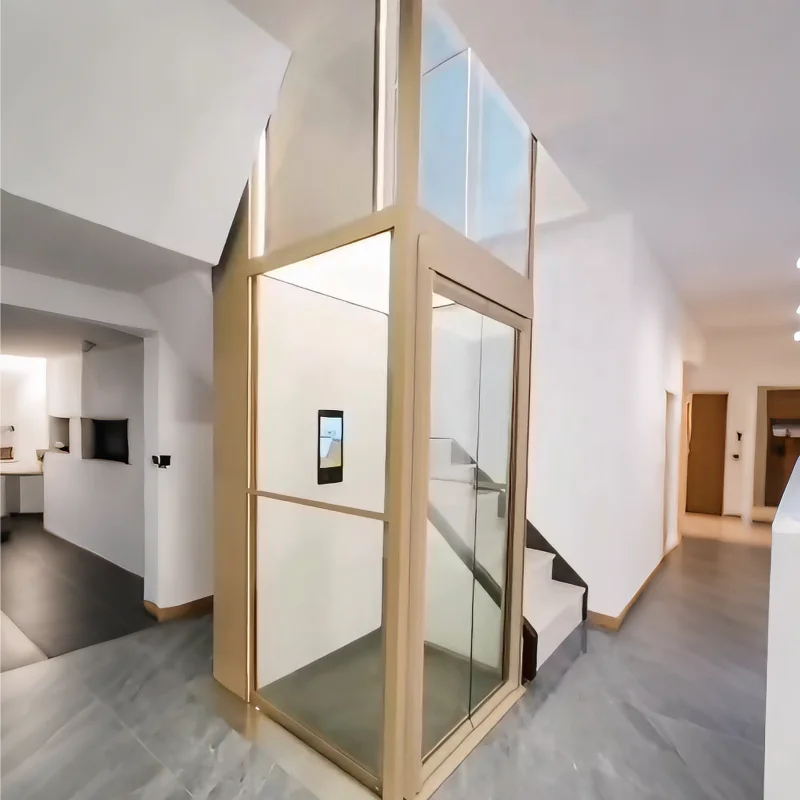
The Future of Home Elevators: Smart, Safe, and Energy Efficient
Home elevators are no longer a luxury reserved for large estates or commercial spaces. As residential design evolves, home elevators are becoming a practical, future-ready solution for accessibility, comfort, convenience, and long-term property value. Modern systems are now designed to be smarter, safer, quieter, more compact, and more energy efficient than ever before. For homeowners, builders, architects, and interior designers, the future of home elevators is shaped by technology, sustainability, and user-centered design.
In today’s housing market, demand is growing for vertical transportation solutions that fit multi-level homes, aging-in-place planning, and premium lifestyle expectations. Whether installed in a new build or as part of a renovation, a home elevator can improve daily living while supporting mobility and independence. This page explores the future of home elevators in a clear, SEO-friendly format, with definitions, advantages, features, specifications, and industry insights that can be directly inserted into an HTML page.
---
What Is a Home Elevator?
A home elevator is a vertical lifting system designed for private residential use. It allows people to move between floors safely and comfortably without relying on stairs. Unlike commercial elevators, home elevators are typically smaller, more customizable, and optimized for low-traffic residential environments.
Home elevators may be used for:
- Accessibility support for seniors or people with mobility challenges
- Convenience in multi-story homes
- Moving groceries, laundry, luggage, or household items
- Long-term home planning and aging-in-place design
- Increasing the functionality and value of a property
The modern home elevator is no longer only about transportation. It is part of a home’s architecture, energy strategy, and smart living ecosystem.
---
Why Home Elevators Are Becoming More Popular
Several industry trends are driving the growth of home elevators:
1. Aging-in-place demand
More homeowners want to remain in their homes as they age. A Residential Elevator can reduce fall risk and support independence.
2. Multi-level home design
Modern homes often feature multiple floors, basement levels, rooftop access, and open vertical layouts. Elevators make these spaces more usable.
3. Accessibility and universal design
Architects and homeowners increasingly prioritize barrier-free living.
4. Smart home integration
Homeowners expect connected systems, intuitive controls, and modern convenience.
5. Energy efficiency
Residential buyers are more interested in eco-friendly, low-consumption building systems.
6. Property value and lifestyle appeal
A well-designed home elevator can enhance luxury appeal and future resale potential.
These factors are reshaping the home elevator industry and pushing manufacturers and designers to create smarter, safer, and more efficient systems.
---
The Future of Home Elevators: Key Industry Directions
The future of home elevators is defined by three core priorities: smart technology, safety innovation, and energy efficiency. Each of these categories is influencing product development, installation planning, and homeowner expectations.
1. Smart Home Elevator Technology
Smart technology is becoming a major feature in residential elevators. Homeowners now expect digital controls, app connectivity, remote diagnostics, and automation compatibility.
Common smart features include:
- Touchscreen control panels
- Smartphone or tablet app integration
- Voice-control compatibility
- Remote monitoring
- Predictive maintenance alerts
- Access control systems
- Floor call automation
- Emergency communication systems
Smart home elevators can also be connected to broader home automation platforms, allowing users to coordinate lighting, security, temperature, and elevator use from a single interface.
Benefits of Smart Elevator Systems
- Easier daily use
- More convenient operation for families and caregivers
- Better maintenance planning
- Faster issue detection
- Improved user experience
- More modern and future-proof home design
As homes become more connected, intelligent home elevators are likely to become standard rather than optional.
---
2. Safer Residential Elevator Design
Safety is one of the most important factors in home elevator development. Since the elevator is used inside a private residence, it must be reliable, easy to operate, and built with advanced protection features.
Modern safety technology may include:
- Emergency stop buttons
- Battery backup lowering
- Door interlocks
- Overload protection
- Smooth start and stop systems
- Anti-slip flooring
- Handrails and cabin support
- Automatic rescue systems
- Obstruction sensors
- Child-safe controls
Home elevator safety design is increasingly focused on intuitive use. Controls are simplified, cabin entry is more secure, and monitoring systems help prevent malfunctions before they become serious problems.
Why Safety Matters So Much
A residential elevator is often used by children, older adults, guests, and people with limited mobility. That means the system must support a wide range of users safely. Strong safety design improves confidence, reduces risk, and makes the elevator suitable for long-term household use.
---
3. Energy-Efficient Home Elevator Solutions
Energy efficiency is now a defining feature of modern residential elevator systems. Homeowners want technology that supports comfort without causing excessive power consumption.
Energy-efficient home elevators may use:
- Regenerative drives
- LED lighting
- Standby power-saving modes
- Counterbalanced systems
- Compact motor designs
- Low-friction components
- Efficient control systems
In many cases, a well-designed residential elevator consumes less energy than expected, especially when compared with older systems or inefficient household equipment. The move toward sustainability is pushing the market toward lower operating costs and smaller environmental impact.
Energy Efficiency Advantages
- Lower electricity usage
- Reduced operating costs
- Better environmental performance
- More attractive for green building projects
- Improved long-term efficiency
- Better alignment with sustainable home design
Energy-efficient systems are especially important in homes that prioritize eco-friendly construction, LEED-inspired planning, or long-term utility savings.
---
Main Types of Home Elevators
Different home elevator technologies offer different benefits. The best choice depends on available space, budget, user needs, installation conditions, and desired features.
1. Hydraulic Home Elevators
Hydraulic elevators use fluid-powered lifting systems. They are known for smooth movement and strong lifting capability.
Advantages:
- Smooth ride quality
- Strong load capacity
- Suitable for multi-floor homes
- Reliable and proven technology
Considerations:
- May require machine space
- May use more energy than newer alternatives
- May involve more maintenance components
---
2. Traction Home Elevators
Traction elevators use cables and counterweights to move the cabin. They are often valued for efficiency and smoother operation.
Advantages:
- Energy-efficient design
- Quiet movement
- Smooth acceleration and deceleration
- Suitable for modern homes
Considerations:
- Installation may require structural planning
- System design can be more complex
---
3. Vacuum Home Elevators
Vacuum elevators use air pressure differences to move the cabin. They are often compact and visually distinctive.
Advantages:
- Space-saving design
- Modern appearance
- Minimal structural requirements
- Often easier to install in some homes
Considerations:
- Cabin size may be limited
- Design may not suit every interior style
- Performance characteristics differ from traditional systems
---
4. Machine-Room-Less Residential Elevators
Machine-room-less designs reduce the need for a separate equipment room. They are commonly chosen for space-saving installation.
Advantages:
- Compact footprint
- Flexible design options
- Better use of available home space
- Clean architectural integration
Considerations:
- Requires good planning
- Access for maintenance must still be considered
---
Shaftless elevators are designed for homes with limited space and fewer structural changes. They are often used for short vertical travel between two levels.
Advantages:
- Compact and practical
- Easier installation in some homes
- Minimal structural modification
- Good for renovations
Considerations:
- Usually limited to fewer floors
- Load and size capacity may be lower
---
Benefits of Installing a Home Elevator
A home elevator provides more than convenience. It can improve household function, safety, and long-term value.
| Benefit | Description |
|---|---|
| Accessibility | Makes multi-level living easier for seniors, children, and people with mobility needs |
| Convenience | Simplifies daily movement between floors |
| Safety | Reduces stair-related fall risk |
| Property value | Can increase appeal in the real estate market |
| Aging-in-place support | Helps homeowners stay in their home longer |
| Design flexibility | Can be integrated into modern and luxury interiors |
| Transport support | Useful for groceries, laundry, and luggage |
| Smart living | Compatible with connected home technology |
Home elevators are increasingly viewed as a long-term investment in usability and lifestyle quality.
---
Common Features in Modern Home Elevators
Today’s residential elevator systems offer a variety of features designed for comfort, safety, and aesthetics.
| Feature | Purpose |
|---|---|
| Touch control panel | Simplifies operation |
| Automatic doors | Improves convenience and safety |
| LED cabin lighting | Reduces energy use and improves visibility |
| Backup battery system | Supports emergency lowering or operation |
| Intercom or alarm | Allows communication in emergencies |
| Soft start/stop | Increases ride comfort |
| Cabin ventilation | Improves air circulation |
| Glass panels | Enhances modern visual design |
| Custom finishes | Matches home interior style |
| Access control | Limits use when needed |
As home design becomes more personalized, customers increasingly expect both functional and aesthetic customization.
---
Home Elevator Specifications Overview
Although exact specifications vary by system type, a general comparison helps illustrate the range of options available in the market.
| Specification | Typical Residential Range |
|---|---|
| Capacity | 300–1,000 lbs depending on model |
| Travel distance | 2–6 stops commonly, more in larger homes |
| Speed | Lower than commercial systems for residential comfort |
| Cabin size | Compact to medium-sized private cabin |
| Door style | Swing door, sliding door, or automatic door |
| Power supply | Residential electrical system, varies by model |
| Installation footprint | Small to moderate depending on type |
| Noise level | Designed for quiet operation |
| Finish options | Standard, premium, glass, wood, metal, custom |
| Control system | Push-button, keypad, touchscreen, app-enabled |
These figures are general industry references and should be adjusted based on design requirements, building codes, and system type.
---
Smart Home Integration and Connected Living
One of the strongest trends in the future of home elevators is integration with smart home systems. As homes become more digital, the elevator becomes part of the broader connected environment.
Possible Smart Integration Functions
- Elevator call through mobile app
- Scheduled activation
- Voice assistant compatibility
- User access permissions
- Maintenance alerts sent to homeowner devices
- Status monitoring through the cloud
- Integration with lighting and door systems
Smart home elevator integration creates a more seamless living experience and supports modern expectations for convenience and control.
---
Safety Standards and Residential Planning
A home elevator must be designed with proper planning, installation, and maintenance in mind. Safety is not only about the product itself but also about how it is installed and used.
Important Safety Considerations
- Professional assessment of structural suitability
- Proper cabin size and door clearance
- Clear travel path between floors
- Emergency stop and backup systems
- Regular maintenance schedules
- Safe load capacity compliance
- Child and elder user-friendly controls
- Reliable power and communication systems
Homeowners should treat an elevator as a long-term household system that requires inspection and upkeep, not a one-time installation.
---
Energy Efficiency and Sustainability in Residential Elevators
Sustainable design is a major influence in the home elevator market. As energy costs rise and environmental awareness increases, homeowners want low-impact systems that fit green living goals.
Sustainable Design Elements
- Lower standby power consumption
- Regenerative braking systems
- Recyclable materials
- Longer-lasting components
- Efficient lighting and electronics
- Reduced maintenance waste
- Compact installation that minimizes building impact
A well-designed home elevator can contribute to a more sustainable home when selected and operated correctly.
---
Design Trends in the Future of Home Elevators
Home elevators are also evolving visually. In modern residences, the elevator is often treated as a design feature rather than hidden machinery.
Popular Design Trends
- Transparent or glass elevator shafts
- Minimalist cabin interiors
- Neutral color palettes
- Premium wood and metal finishes
- Flush-mounted controls
- Space-saving architecture
- Integration with open-plan living spaces
Design-forward elevators can improve the overall appearance of a home while maintaining functionality.
---
Who Needs a Home Elevator?
Home elevators are useful for many different types of households.
| User Group | Primary Need |
|---|---|
| Seniors | Safer and easier movement between floors |
| Families with children | Convenience and daily support |
| People with disabilities | Accessibility and independence |
| Luxury homeowners | Comfort and premium design |
| Renovation projects | Improved usability in existing homes |
| Multi-level households | Efficient movement between floors |
| Aging-in-place planners | Long-term residential suitability |
Because home elevators serve such a broad audience, they are becoming a mainstream residential feature rather than a niche product.
---
How to Choose the Right Home Elevator
Choosing a residential elevator involves balancing practical needs, design goals, and budget expectations.
Key Factors to Consider
1. Available space
Determine whether your home can support a shafted, shaftless, or compact system.
2. Number of floors
The number of stops affects system type and configuration.
3. Daily usage
Light-use and high-frequency households may need different designs.
4. Accessibility needs
Consider who will use the elevator and what level of support is required.
5. Energy goals
Select a system with efficient power use and standby savings.
6. Interior style
The elevator should complement the home’s architecture and finishes.
7. Maintenance expectations
Choose a system with reliable service requirements and accessible upkeep.
8. Future planning
Think ahead about aging, resale, and long-term household needs.
---
Installation and Planning Basics
Installing a home elevator typically requires coordination among homeowners, designers, contractors, and technicians. Planning is especially important in retrofit projects.
Typical Planning Steps
- Site evaluation
- Structural review
- Product selection
- Design and layout planning
- Electrical planning
- Building permit review
- Installation and testing
- Final inspection and user training
A good planning process helps ensure safety, efficiency, and long-term satisfaction.
---
Maintenance and Long-Term Performance
Like any home system, an elevator performs best with regular maintenance. Preventive care helps extend lifespan and maintain safe operation.
Maintenance Focus Areas
- Door operation
- Cabin alignment
- Control panel function
- Motor and drive inspection
- Safety system testing
- Lighting and backup system checks
- Cable, rail, or hydraulic component review
Regular servicing supports reliability, reduces downtime, and protects the homeowner’s investment.
---
SEO-Friendly Key Topics Related to Home Elevators
If you are building a blog, directory page, or industry page, these related terms can support search visibility:
- home elevator systems
- residential elevator design
- smart home elevator
- energy-efficient home elevator
- safe home elevator
- modern home lift
- aging in place elevator
- luxury residential elevator
- compact home elevator
- accessible home design
- residential vertical transportation
- home elevator installation
- future of home elevators
Using these phrases naturally throughout headings, paragraph text, image alt text, and metadata can improve topical relevance for search engines.
---
Future Outlook: What to Expect Next
The future of home elevators will likely continue moving toward higher intelligence, better user protection, and lower environmental impact. Industry development is expected to focus on:
- More compact system designs
- Better smart home connectivity
- Improved predictive maintenance
- Quieter, smoother travel
- Greater energy savings
- Stronger safety automation
- More customizable interiors
- Easier retrofit installation
As residential architecture evolves, home elevators will become more integrated into standard home planning. They will no longer be viewed only as specialty products but as an important part of accessible, efficient, and future-ready living.
---
Summary: Smart, Safe, and Energy Efficient Home Elevators
The future of home elevators is being shaped by three major values: smart technology, safety innovation, and energy efficiency. These systems are becoming more practical for everyday use, more attractive for modern homes, and more aligned with long-term residential planning.
For homeowners, the benefits include accessibility, convenience, style, and property value. For the industry, the direction is clear: the next generation of home elevators must be connected, compact, reliable, and sustainable. Whether used in a luxury residence, a family home, or an aging-in-place renovation, the modern home elevator is becoming a core part of intelligent home design.
---
Quick Reference Table: Future Home Elevator Advantages
| Category | Future Direction | Homeowner Value |
|---|---|---|
| Smart technology | App control, automation, remote monitoring | Convenience and control |
| Safety | Backup systems, sensors, secure access | Confidence and protection |
| Energy efficiency | Low-power operation, regenerative drives | Lower operating cost |
| Design | Custom finishes, glass, minimal footprint | Better home aesthetics |
| Accessibility | Barrier-free movement between floors | Easier daily living |
| Maintenance | Predictive alerts, easier servicing | Less downtime |
| Sustainability | Efficient components, reduced waste | Eco-friendly living |
---
If you want, I can also turn this into:
1. a full HTML-ready version with headings, tables, and meta-friendly structure,
2. a more keyword-optimized SEO version, or
3. a multi-section long-form article with FAQ schema content.
เว็บไซต์นี้ใช้คุกกี้เพื่อให้แน่ใจว่าคุณได้รับประสบการณ์ที่ดีที่สุดบนเว็บไซต์ของเรา
 English
 Indonesia
 Tiếng Việt
 Filipino



 โทรศัพท์
ความคิดเห็น
(0)